Walmart Auto Care Center
Walmart Oil Bay Time Study
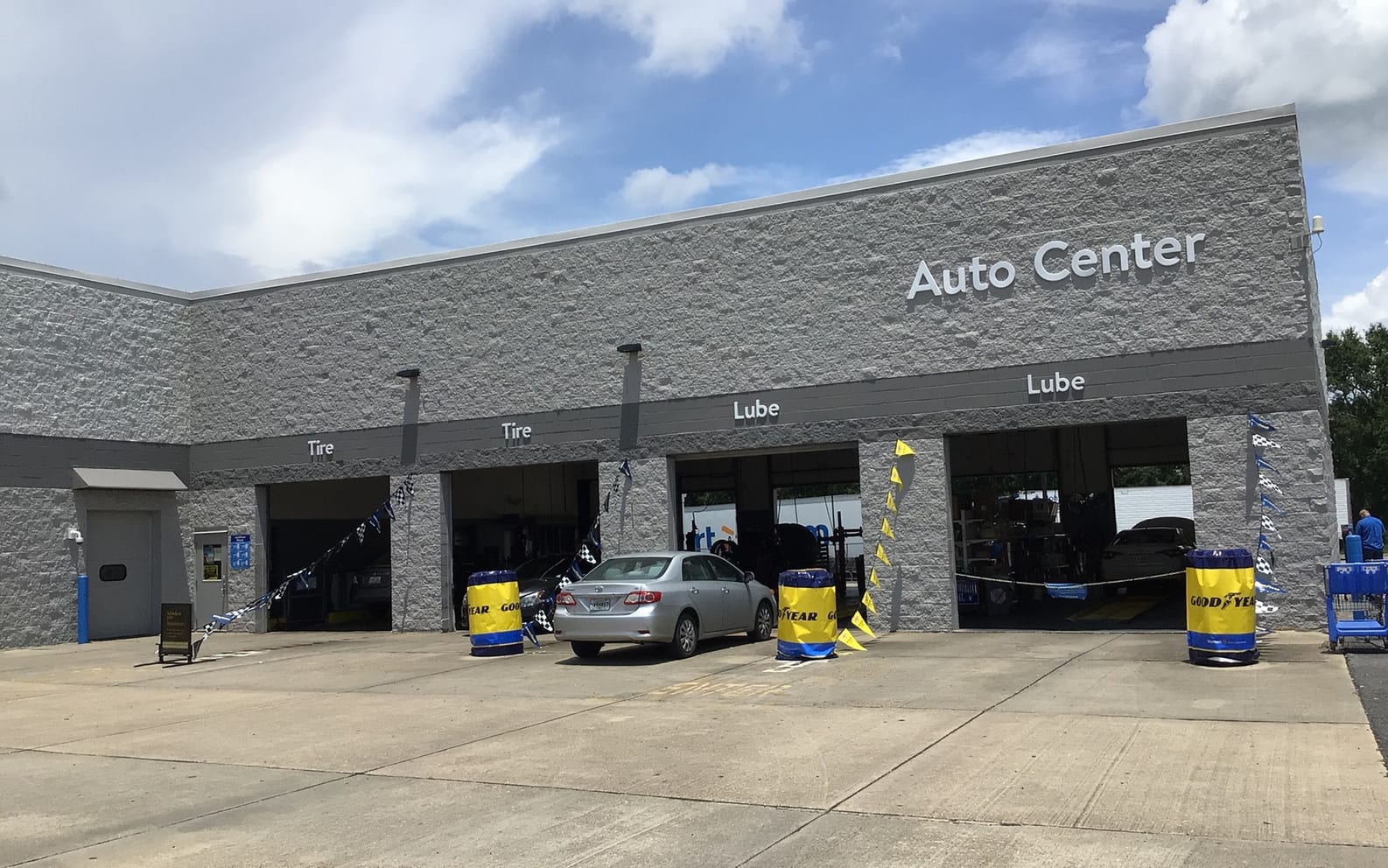
Before healthcare, I learned operations in a Walmart Auto Care Center near Charlotte Motor Speedway. A manager taught me time-and-motion study, and I helped redesign how oil and tire bays handled fast standard vehicles, slow specialty vehicles, staffing, and safety in a high-volume shop.
- Time-and-motion study
- Queue design
- Service bay layout
- Oil extractor / suction pump
- Tire bay specialization
- operations research
- process improvement
Project note
In Brief
Before healthcare, I learned operations in a Walmart Auto Care Center near Charlotte Motor Speedway. A manager taught me time-and-motion study, and I helped redesign how oil and tire bays handled fast standard vehicles, slow specialty vehicles, staffing, and safety in a high-volume shop.
Relevant To
- operations leaders
- process improvement teams
- frontline managers
- students learning time-and-motion analysis
- healthcare operators translating lessons from other industries
Search Context
- how to use time and motion study in a service operation
- how to reduce oil change bay bottlenecks
- service bay queue design example
- operations research example from retail automotive service
5 cited sources
Operating Context
This was my first real operations education. I moved out at 18 and needed a job. Walmart Auto Care paid about $15 an hour, which was materially better than the roughly $8 to $10 hourly work around me at the time. I started as an auto technician doing oil changes, then learned tires.
The shop was in the Charlotte/Concord market near Charlotte Motor Speedway in Concord, North Carolina, which created a distinctive demand pattern. Race weekends and holidays brought high volume, long-distance travelers, RVs, SUVs, trucks, and customers who were often trying to get service done quickly before or after a major event.
The operating problem was speed under safety constraints, mixed vehicle complexity, limited bay capacity, and uneven technician experience.
What We Built
The project was a time-and-motion study of oil and tire service flow. My manager noticed I was unusually fast on common vehicles, especially Honda Civic and Accord oil changes, where I could regularly get a full oil change out in under 8 minutes and sometimes closer to 5 minutes. He taught me to look at the broader system instead of only individual speed.
We studied why some vehicles were taking much longer and how that affected the entire queue. The key finding was that the shop average was being distorted by a smaller class of vehicles: luxury cars, diesel trucks, slow-drain vehicles, and cars with more complicated oil plugs or access patterns.
The redesign used bay specialization:
- keep the first oil bay focused on fast standard vehicles
- open the second oil bay for luxury, diesel, and other specialty oil changes
- keep the oil extractor / suction pump dedicated to the second oil bay
- use one person down in the first pit and one person up top to preserve fast standard flow
- let the top-side technician move across the specialty bay while the extractor worked
- keep tire work split by standard cars, heavy vehicles, and overflow capacity
That design protected the high-throughput lane instead of letting one slow vehicle hold up every standard oil change behind it.
Service Bay Flow Diagram
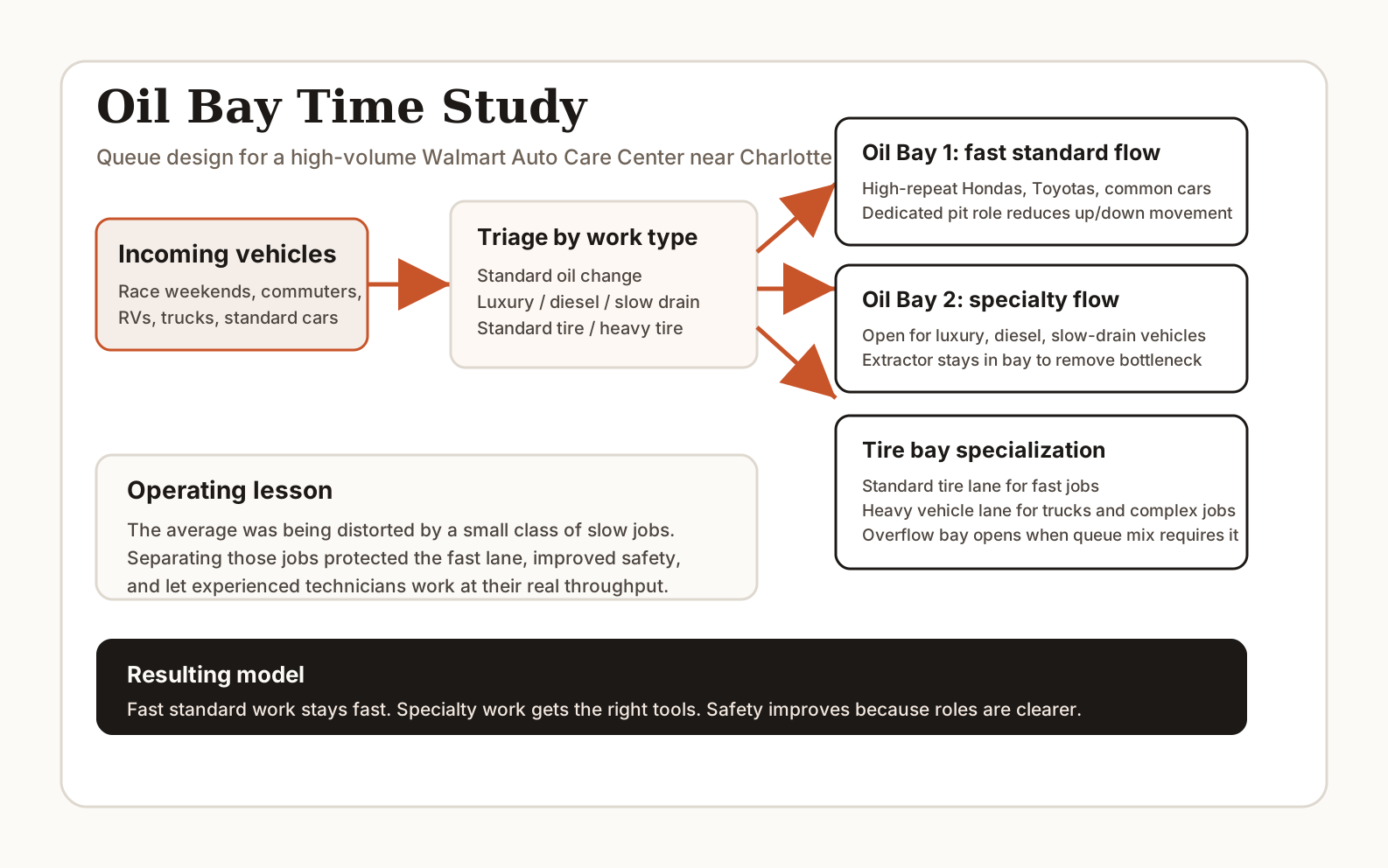
The diagram captures the core change: do not let specialty work contaminate the standard queue. If a job class requires different tools, more time, or different safety posture, give it a separate flow.
Implementation Playbook
The reusable version of the playbook is straightforward:
- Measure the actual job mix instead of relying on the average.
- Segment work by process behavior, not by surface category. A standard oil change and a slow-drain luxury oil change are both oil changes, but they are operationally different jobs.
- Identify the job class that blocks the queue.
- Assign that job class to a separate lane, bay, or workflow when volume justifies it.
- Keep specialized tools where the work happens. The extractor should not wander around the shop.
- Match technician strengths to work types when possible.
- Reduce unnecessary up/down movement between pit and top-side roles.
- Keep safety requirements explicit, especially when pits, heavy tires, trucks, and repeated motion are involved.
- Track whether the standard lane improves without creating a hidden safety or quality problem.
- Revisit the design on high-volume days, because race weekends and holidays change the queue.
Standards, Governance, And Validation
The safety lesson was as important as the throughput lesson. In the old model, technicians could end up moving up and down between pit and top-side work repeatedly, which created more opportunities for error, fatigue, and safety drift.
The improved model clarified roles. A dedicated pit technician could keep pit safety behavior consistent. The top-side technician could manage standard top-side work and the specialty bay while the extractor was running. Tire work also benefited from segmentation because heavy vehicles and standard cars did not create the same physical demands or timing profile.
The validation standard was practical:
- Did the fast standard bay stay fast?
- Did specialty vehicles stop blocking the standard queue?
- Did the extractor reduce the slow-drain bottleneck?
- Did staff movement become safer and more predictable?
- Did tire work flow better when heavy vehicles were separated?
- Did the shop handle race-weekend and holiday volume with less chaos?
Results And Evidence
The original logs are not currently available, so I am not presenting a formal before/after statistical claim. The evidence is personal and operational: I was taught the time-study method on the floor, participated in the redesign, achieved full certification, and became known as the fastest technician in Walmart’s Southeast region.
The strongest evidence-backed claims are:
| Signal | What It Means |
|---|---|
| Under-8-minute standard oil changes | The standard work could move very quickly when the vehicle type was familiar and the lane was not blocked. |
| Specialty vehicles distorted average time | Luxury, diesel, and slow-drain jobs behaved differently enough that treating all oil changes as one class hid the bottleneck. |
| Dedicated extractor in second bay | Tool placement changed the process, because specialty jobs could be worked without freezing the main standard queue. |
| Role separation improved safety | Fewer unnecessary up/down pit movements created clearer safety behavior and less chaotic work. |
| Tire bay segmentation | Heavy vehicles and standard vehicles needed different capacity logic. |
The Southeast-region-fastest-technician point is part of the personal story and is approved for use, but the account still avoids pretending that a private store-level ranking document is available.
My Operating View
This was the first time I saw that operations problems often hide inside averages. The shop did not have one oil-change process. It had at least two: fast repeatable work and specialty work that looked similar on paper but behaved completely differently in the queue.
That lesson followed me into healthcare. Averages are often the enemy of operational truth. A patient outreach queue, a call-center queue, a claims queue, and an auto-service queue can all look slower than they really are because a small class of difficult work is being mixed into a standard lane.
The right move is not always to tell people to work faster. Sometimes the right move is to segment the work, put the right tool in the right place, clarify roles, and let the fast lane stay fast.
That same lesson reappears in the Penn AQM training evaluation, where baseline performance groups mattered more than the average, and in the JHP knowledge pipeline, where plan-year and product segmentation mattered more than a generic chatbot.
Reusable Checklist
Use this checklist for a service operation time study:
- Define the unit of work.
- Record start time, end time, staff involved, work type, equipment used, and exceptions.
- Separate standard work from specialty work.
- Identify jobs that create queue delay for unrelated jobs.
- Map tools to bays, rooms, stations, or lanes.
- Track worker motion, especially avoidable handoffs and risky movement.
- Create a standard lane and a specialty lane if the data supports it.
- Decide when overflow capacity opens.
- Validate throughput, safety, quality, and customer wait time together.
- Recheck the design under peak demand.
References
Walmart, Walmart Auto Care Center, and Charlotte Motor Speedway provide public context for this early-career operating case. The specific time-study logs, store-level operating results, and Southeast-region technician ranking are personal-history claims rather than sourced public records.
OSHA and NIOSH support the safety framing. Little’s Law supports the queueing idea that flow time, throughput, and work-in-process are connected. The public claim is limited to the operating lesson: I learned time-and-motion study in a high-volume service operation and saw how work segmentation, tool placement, and role clarity changed throughput and safety.
Frequently Asked Questions
- How can time-and-motion study improve a service bay?
- Measure the actual work mix, identify which job types distort average cycle time, separate fast standard work from slow specialty work, place tools where they are used, clarify staffing roles, and preserve safety alongside speed.
- Why separate standard and specialty oil changes?
- A small number of slow-draining, diesel, or luxury vehicles can hold up a queue of fast standard vehicles. Routing specialty work to a second bay protects fast-lane throughput while giving complex vehicles the right equipment and attention.
- What was the core operating lesson from the Walmart oil bay study?
- The average was hiding the real problem. The shop was not generally slow; a specific class of vehicles was creating queue delay. Once that class was separated, the standard flow could run at its natural speed and the specialty flow could be managed safely.
Cited Sources
- Charlotte Motor Speedway Charlotte Motor Speedway
Public context for the Concord, North Carolina racing venue near the Auto Care Center environment described in this case.
- Walmart Auto Care Center Services Walmart
Public context for Walmart Auto Care Center oil-change and tire-service offerings.
- Recommended Practices for Safety and Health Programs Occupational Safety and Health Administration
Safety-management reference for frontline work design, hazard identification, and continuous improvement.
- Hierarchy of Controls National Institute for Occupational Safety and Health
Safety reference for designing work so hazards and risky motion are reduced rather than relying only on worker behavior.
- Little's Law as Viewed on Its 50th Anniversary Operations Research
Operations-research context for the relationship between work-in-process, throughput, and flow time in queueing systems.