About / Contact
About
Cole Lyons works across healthcare strategy, operations, analytics, software, publishing, and institution building. This page holds the background, credentials, education, public roles, and contact paths so the Work index can stay focused on the body of work.
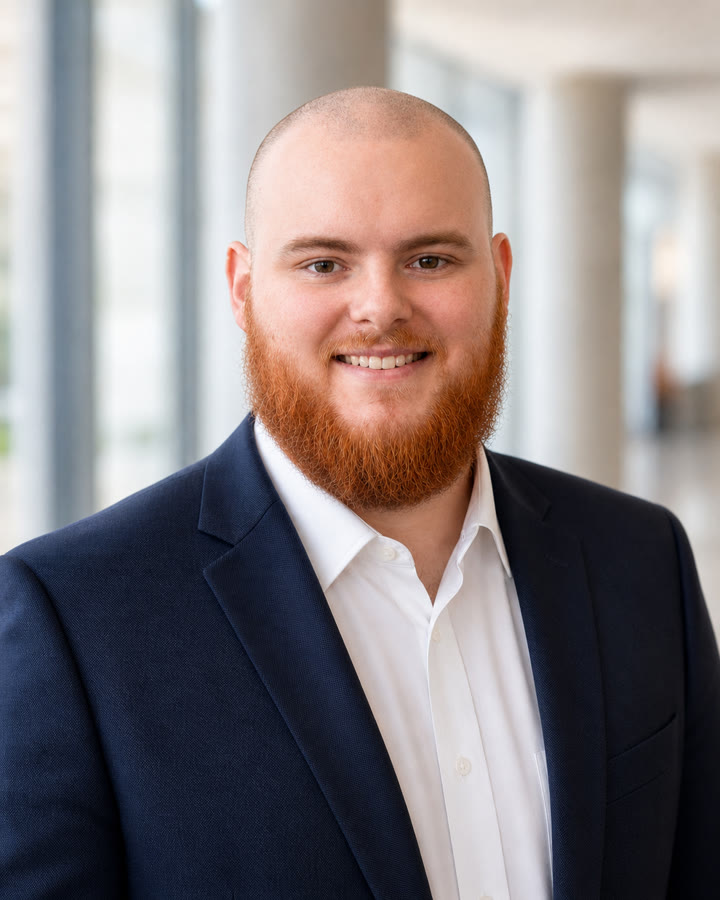
I work across healthcare strategy, operations, analytics, software, publishing, and institution building. The common thread is operating discipline: finding where cost, quality, access, trust, and workflow problems are hiding inside systems that already look measured.
At Penn Medicine, my work sits in access, AI, and analytics. I deploy and validate speech analytics across access-center operations, build quality measurement frameworks, and design analysis around the operational behaviors that shape patient access, service quality, and avoidable cost.
I also co-founded the American Journal of Healthcare Strategy, where I help build the publication, software, research products, podcasts, and operating infrastructure behind the institution. AJHCS is its own organization and voice. This site is separate: it is my public operating record.
This site gives employers, collaborators, conference peers, students, researchers, and operators a way to understand what I have built, how I think, what evidence supports the work, and where to reach me.
Current Work
| Area | What It Means |
|---|---|
| Penn Medicine | Access, AI, analytics, speech analytics validation, quality measurement, and operational performance analysis. |
| American Journal of Healthcare Strategy | Co-founder and operator of a healthcare strategy publication, media platform, software stack, research-product pipeline, and sponsor-supported institution. |
| Delaware Valley HIMSS | Board member, with public work around healthcare technology, access, and strategy. |
| colelyons.com | A personal publication and body-of-work record separate from AJHCS. |
Formation
My training crosses healthcare administration, business, systems engineering, biology, public health, computer science, and electrical engineering. I do not think of that as scattered. It is why I can move between clinical operations, software, AI validation, strategy, and frontline workflow without mistaking one layer for the whole system.
| Thread | Where It Came From | What It Added |
|---|---|---|
| Technical foundation | Wake Technical Community College, computer science and electrical engineering; CS50 | Programming fundamentals, systems thinking, and comfort learning technical subjects from first principles. |
| Science and research foundation | University of North Carolina at Charlotte, biology and public health; epidemiology and clinical research coursework | Public-health reasoning, research methods, lab exposure, and respect for evidence quality. |
| Clinical floor foundation | Clinical Medical Assistant Certification and Jefferson neurology work | Clinical vocabulary, patient-room reality, documentation pressure, prior authorization friction, and the operational constraints clinicians feel directly. |
| Healthcare and business operating layer | Thomas Jefferson University BS in Health Services Management and MBA in Innovation and Management | Healthcare administration, strategy, management, finance, and organizational execution. |
| Systems-engineering spine | Johns Hopkins Whiting School of Engineering MS in Health Systems Engineering, in progress | A formal systems frame for access, quality, AI, measurement, incentives, and operational design. |
Credentials
The credentials that matter most to the story are not the ones that sound most impressive. They are the ones that changed how I work.
| Credential | Why It Matters Here |
|---|---|
| CS50 | A durable software foundation. It made later work in analytics, automation, prompt engineering, and agentic tooling easier to reason about. |
| Clinical Medical Assistant Certification (CMAC) | The clinical credential grounded later strategy and AI work in actual care delivery. |
| Penn AI implementation program | A practical implementation signal from the environment where I am currently doing healthcare AI work. |
| Epidemiology and Clinical Research Foundations | These support the site’s source discipline: what can be claimed, what should be caveated, and what needs stronger measurement. |
| Trusted Access for Cyber | A useful security and adversarial-thinking signal, especially for AI systems, healthcare data, and institutional tooling. |
I treat credentials as evidence of range, not authority by themselves. The useful question is whether the training changed how I build, measure, validate, or explain the work.
Public Presence And Contact
| Path | Best Use |
|---|---|
| Direct questions, project follow-up, student questions, collaboration ideas, and sensitive context that should not start in a public thread. | |
| Current professional context, shared connections, conference follow-up, and lightweight outreach. | |
| Public links | Public links to AJHCS, GitHub, podcast appearances, profiles, conference/community pages, older writing, and external validation. |
| Body of work | The structured body of work: projects, systems, writing, and field notes. |
Conference presence matters because many of the relationships and operating questions behind the work came from rooms where healthcare leaders were comparing what was actually hard. The homepage link trail and field notes keep that context available without making it the site’s main identity.
Contact
The useful next step is usually a specific question
Email and LinkedIn are the cleanest paths. Send the problem, the operating context, and what you are trying to decide; the best conversations usually start there.